Substance Abuse Rehabilitation: A Full Overview to Recovery
Substance Abuse is one of one of the most important wellness and social challenges dealt with by individuals and communities worldwide. It usually begins as a coping mechanism for emotional distress, injury, or stress, yet can promptly progress into a dependency that impacts every location of life-- psychological health and wellness, connections, work, and total wellness. The consequences of dependency are comprehensive and severe, usually causing physical illnesses, economic problems, and social seclusion. This is why recovery programs exist: to help individuals reconstruct their lives and redeem control over their futures.
Understanding Substance Abuse and the Need for Rehabilitation
Recovery centers are developed to treat the origin of addiction as opposed to just the symptoms. A comprehensive rehabilitation program entails detoxing, counseling, behavior treatment, and education on relapse prevention. Individuals learn to recognize triggers and establish healthier methods to take care of tension and emotions. In a lot of cases, rehab is not nearly giving up medicines or alcohol-- it has to do with finding a brand-new feeling of function and balance. These facilities give a helpful environment where recovery is not only feasible yet sustainable.
The course to healing needs courage and commitment, but with the ideal therapy, even the most extreme situations of dependency can be efficiently handled. Rehab programs use a structured strategy that combines medical knowledge, emotional support, and peer motivation. Each program is customized to the individual's demands, guaranteeing an individualized experience that promotes enduring sobriety. Whether someone battles with alcohol, prescription drug, or illegal drugs, entering a rehabilitation program is often the first and most crucial step towards long lasting recovery.
Inpatient vs. Outpatient Rehab: Which Alternative Is Right for You?
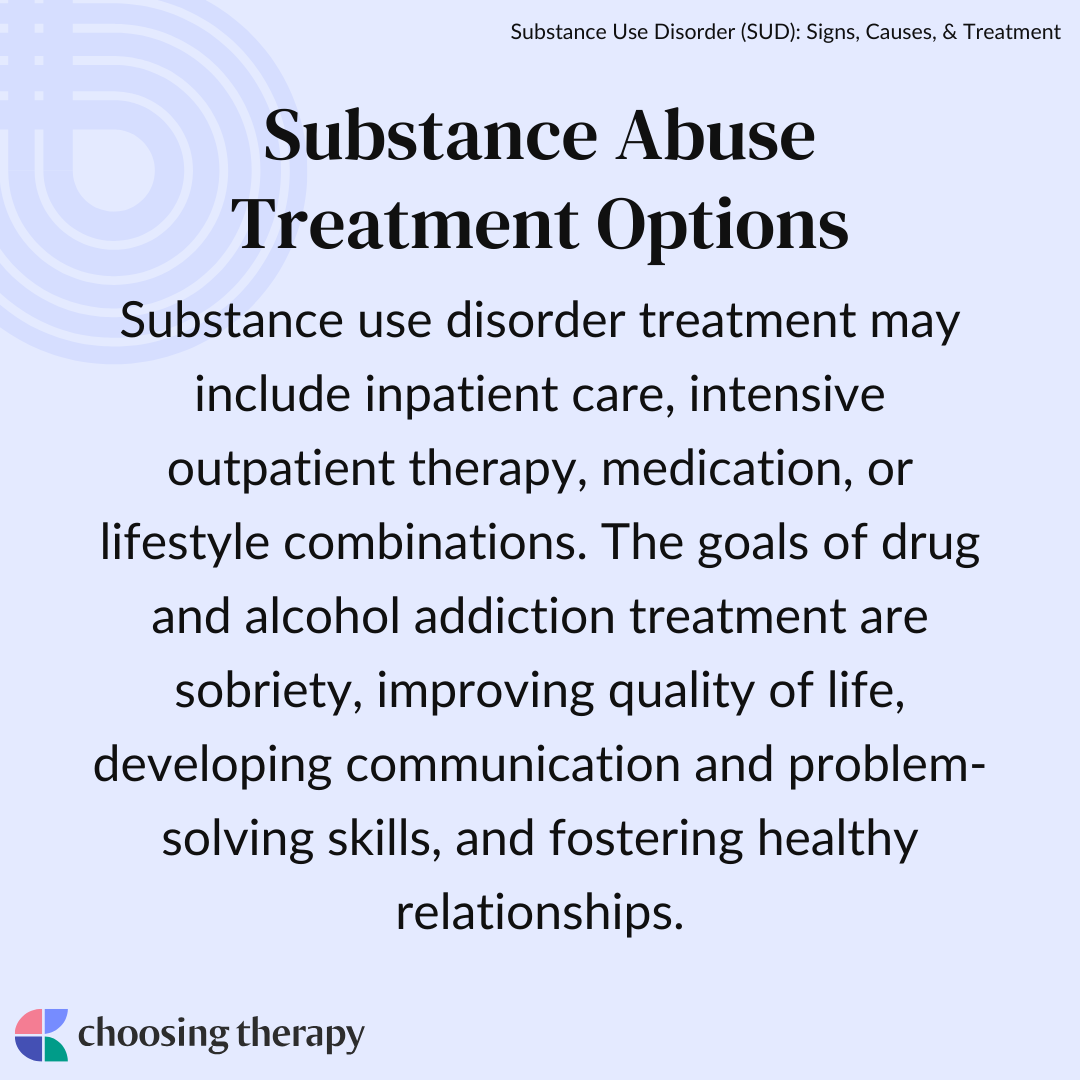
When making a decision to look for therapy for Substance Abuse, among one of the most important choices entails selecting in between outpatient and inpatient rehab programs. Both strategies have their advantages, and the appropriate selection greatly depends upon the individual's details demands, addiction intensity, and individual situations. Inpatient rehab, also referred to as domestic rehab, requires people to live at the therapy center full time. This permits day-and-night clinical supervision, structured routines, and a distraction-free environment suitable for extensive healing. On the other hand, outpatient rehab provides higher adaptability, permitting patients to attend treatment sessions throughout the day while still living at home and keeping professional or personal duties.
Inpatient rehabilitation is ideal suited for individuals that need medical detoxing, deal with lasting addiction, or have actually formerly fallen back. The immersive setting makes sure that clients are protected from external lures and stress factors that can set off a regression. Daily therapy sessions, clinical surveillance, and group activities help people remain concentrated on recovery. In comparison, outpatient rehabilitation is often optimal for those with mild to modest dependency or strong assistance systems in the house. This sort of program allows individuals to continue going to or working institution while obtaining consistent treatment and support.
Ultimately, the option between inpatient and outpatient rehabilitation relies on several aspects such as dependency type, clinical demands, and way of living. Some individuals also transition from inpatient to outpatient care as they proceed in their healing journey - substance abuse treatment Morris County. Both programs share the exact same best goal-- aiding clients keep and achieve soberness-- but the level of structure and support varies. A comprehensive assessment by dependency professionals can aid identify one of the most reliable therapy strategy, guaranteeing that each specific receives the care and attention they need to flourish beyond dependency
The Price of Substance Abuse Rehab and Monetary Considerations
Among the most typical concerns for people and households looking for dependency treatment is the expense of rehabilitation. While rates vary commonly relying on the facility, program kind, and size of remain, it is essential to view rehabilitation as a financial investment in one's health and wellness and future instead of just an expense. The cost of without treatment dependency-- consisting of lost efficiency, legal concerns, clinical complications, and damaged connections-- commonly much outweighs the price of professional treatment. Numerous rehab facilities currently supply adaptable payment alternatives, insurance protection, and monetary help to make therapy a lot more obtainable.
Since they consist of accommodation, meals, and 24-hour clinical supervision, inpatient rehab programs have a tendency to be more expensive than outpatient programs. High-end rehabilitation centers with high-end centers, personal spaces, and holistic treatments can cost considerably extra, while community-based or charitable rehabilitations often offer cost effective or perhaps free treatment choices. Outpatient rehab is typically much less pricey because it doesn't require over night remains, yet the complete cost can still vary depending upon the period and strength of the program. Some insurance coverage plans cover partial or full expenses for rehabilitation, especially if the therapy is regarded clinically needed.
Financial barriers must never ever protect against a person from looking for aid. Numerous therapy facilities comprehend the economic stress that dependency creates and are ready to deal with clients to develop manageable layaway plan. Some offer sliding range costs based upon income, while others get federal government financing check these guys out to sustain those in demand. When assessing costs, it's additionally crucial to consider the long-lasting benefits: boosted health and wellness, restored connections, and a chance at a more effective and secure life. Healing is invaluable, and the price of rehab is often the secret to opening a future devoid of the chains of dependency.
Features and Facilities of a Top Quality Rehab Center
The environment in which healing occurs plays an important function in the success of a recovery program. A top quality rehab facility is greater than just a medical facility-- it is a healing refuge made to support the body, spirit, and mind. The very best centers incorporate evidence-based clinical treatments with comfortable living arrangements and restorative settings. Patients must really feel secure, supported, and inspired as they navigate their recovery trip. Modern rehab centers usually feature exclusive or semi-private spaces, serene outdoor areas, healthy dishes, and entertainment activities that promote health and relaxation.
Beyond convenience, the vital features of a credible rehabilitation center include professional team, customized therapy plans, and a variety of therapeutic alternatives (substance abuse treatment try this web-site Morris County). Multidisciplinary teams of physicians, specialists, therapists, and support personnel collaborate to develop an individualized program for each and every person. Evidence-based treatments like Cognitive Behavior Therapy (CBT), Dialectical Habits Treatment (DBT), and motivational talking to are incorporated with all natural therapies such as yoga exercise, reflection, art treatment, and fitness programs. This incorporated method addresses not just the addiction itself, yet additionally the emotional and mental aspects adding to it
In addition, the finest rehabilitation facilities emphasize long-term and aftercare assistance. Recovery does not end when a person leaves the center; preserving sobriety needs continuous guidance and responsibility. Several facilities use alumni programs, group treatment sessions, and neighborhood reintegration solutions to ensure ongoing progress. Facilities that offer a continuum of treatment-- from detoxification to outpatient support-- tend to generate one of the most effective end results. The total goal is to develop a setting where people can heal totally, rebuild their self-esteem, and re-enter the world with confidence and security.
Benefits of Substance Abuse Rehab Programs
Enlisting in a chemical abuse recovery program uses various benefits that expand much past conquering dependency itself. Among one of the most considerable advantages is the structured atmosphere that rehabilitation provides. People fighting with dependency frequently stay in disorder or unpredictability, however rehabilitation introduces security and routine. Every facet of day-to-day life-- from therapy sessions to meals and remainder-- is prepared with purpose, assisting people establish self-discipline and consistency. This framework ends up being a structure for building a sober lifestyle and minimizing the risk of regression after therapy.
One more major benefit of rehab is the professional support offered around the clock. Addiction is not simply a physical dependence; it's likewise a psychological and psychological struggle. Within a rehab center, people have accessibility to clinical experts that can safely take care of withdrawal signs and symptoms, as well as therapists who specialize in treating the emotional elements of healing. This level of care makes certain that clients are never alone in their struggles. Group treatment sessions likewise supply a feeling of community, allowing people to link with others that recognize their difficulties and can share their experiences.
Lastly, Substance Abuse rehabilitation gears up people with lifelong devices for maintaining sobriety. Via therapy, education, and relapse avoidance preparation, people learn to recognize triggers, manage anxiety, and make healthier life selections. Rehabilitation assists them rebuild broken connections and rediscover passions and objectives that were lost throughout addiction. It's a transformative procedure that recovers confidence, emotional equilibrium, and hope. The utmost advantage of rehabilitation is that it does not simply save lives-- it reconstructs them, assisting people uncover their worth and develop a brighter, addiction-free future.
The Path Ahead: Structure a Life Beyond Dependency
When YOURURL.com the rehab program does-- it's a recurring procedure that requires commitment, support, and self-awareness, recuperation doesn't finish. After completing therapy, individuals have to learn to rehabilitate into their every day lives while preserving the lessons they've gotten in rehabilitation. This includes developing healthy and balanced coping strategies, staying clear of environments connected with Substance usage, and surrounding themselves with positive impacts. Lots of people proceed with outpatient therapy or sign up with support system like Narcotics Anonymous (NA) or Twelve Step Programs (AA) to stay accountable and linked to the recuperation neighborhood.
A solid aftercare strategy is important for lasting success. Rehab facilities that provide follow-up therapy, peer support, and relapse avoidance programs give people the most effective chance of maintaining soberness. Developing a brand-new lifestyle may entail pursuing education, volunteering, or discovering new leisure activities that reinforce favorable habits (dual diagnosis rehab NJ). Families likewise play an important role in the recovery procedure; when liked ones take part in family members treatment and healing education and learning, they come to be an active component of the support group, reducing the danger of relapse
Inpatient rehab, likewise understood as household rehabilitation, requires individuals to live at the therapy center full time. Inpatient rehab programs have a tendency to be more expensive than outpatient programs due to the fact that they include lodging, meals, and 24-hour medical guidance. High-end rehabilitation centers with high-end facilities, exclusive spaces, and holistic therapies can cost dramatically much more, while community-based or charitable rehabilitations typically supply budget friendly or also complimentary treatment alternatives. Recuperation does not finish when the rehabilitation program does-- it's a continuous procedure that calls for commitment, self-awareness, and support. Rehab facilities that use follow-up counseling, peer support, and regression avoidance programs offer people the ideal opportunity of preserving sobriety.